Meditation on a Simple: Chamomile

Chamomile is a sun herb, a dream herb, a golden healer.
There’s a reason chamomile was once called the plant’s physician. In old folk traditions, planting chamomile near a sickly herb could revive it—such was its quiet power. Ruled by the sun and sacred to the gods of healing, it’s long been used in charms for peace, protection, and prophetic dreams. A golden daisy for weary minds and sore hearts.
I thought I knew chamomile. I’d occasionally sipped it from paper tea bags on restless evenings. I always found it a bit dusty and a little like drinking hay. Comforting enough, but nothing to stir the senses.
Then I met it fresh.
The very first time I plucked a blooming chamomile from the garden and steeped it, I was startled by the flavor. That much-rumored note of green apple wasn’t a myth at all—it was bright, crisp, and perfectly natural. The tea wasn’t heavy or groggy. Instead, it gently unspooled me, untangling the day’s tight knots, ushering in a deep, unworried sleep.
I’ve always dreamt vividly, sometimes lucidly, and on rare nights—prophetically. There’s a quality to chamomile that feels like a veil being drawn back—not all at once, but just enough to soften the edges of waking thought. It doesn’t sedate so much as invite—into quiet, into restoration, into the liminal.
Growing German Chamomile
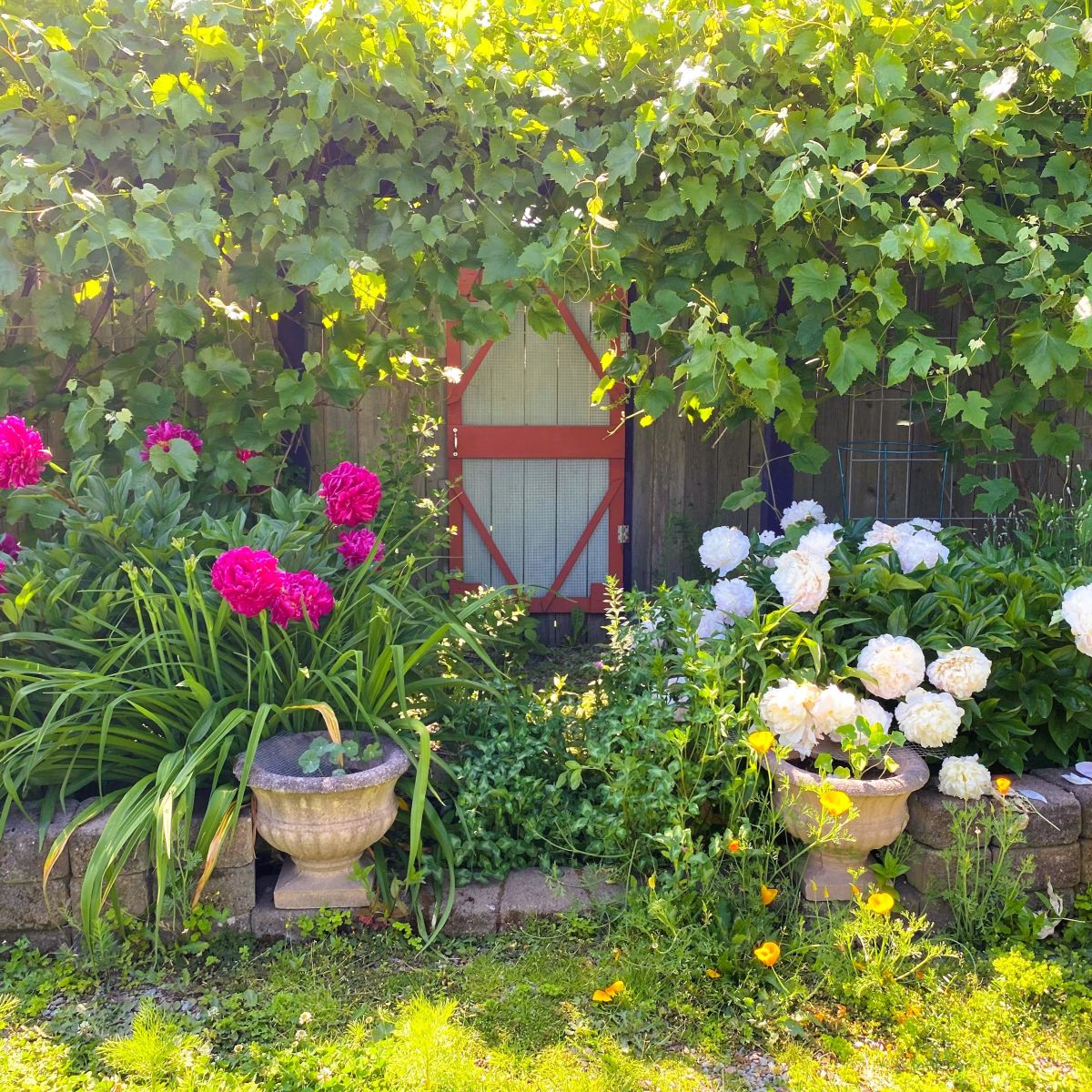
Chamomile comes in a few varieties, most commonly German and Roman. German chamomile (Matricaria chamomilla) is the one I grow, and the one most traditionally used for tea. It grows like a weed if you let it. And I do let it. Self-seeding, feathery, and lighthearted, it fills in the soft edges of the garden like a lingering whisper. It spreads itself with ease, reaching through other plants to find its way into the sunlight with airy, fern-like leaves and cheerful, daisy-bright faces.Starting Out
If you prefer direct sowing, lightly press the seeds into the soil, as they require sunlight to germinate. Keep them damp while you’re waiting for them to emerge. You can also start them indoors and transplant once the soil has warmed.Location
Seek a sun-dappled, well-draining spot. Chamomile thrives on benign neglect, happy to grow where it’s welcome but not fussed over. (Fair warning for chicken tenders: my girls love the stuff a little too much. If you want any for yourself, keep some blooms out of reach.)Growth Habit
German chamomile is an annual that often acts like a perennial, thanks to its self-seeding habit. It grows around 18–24 inches tall, with branching stems and delicate, fern-like leaves. Once it blooms, it keeps blooming in successive waves, softening the garden’s edges, filling the gaps, never demanding the spotlight.Maintenance & Harvesting
With minimal fuss, regular picking keeps it vibrant. For peak flavor and potency, harvest on a dry, late-morning day when its essential oils are most concentrated. Yet, there is a certain magic to creeping out under the moonlight to enjoy that distinct just-picked freshness right before bed.For the Perfect Cup
When it comes to crafting your perfect cup, the nuances of the bloom matter.How Many Blooms?
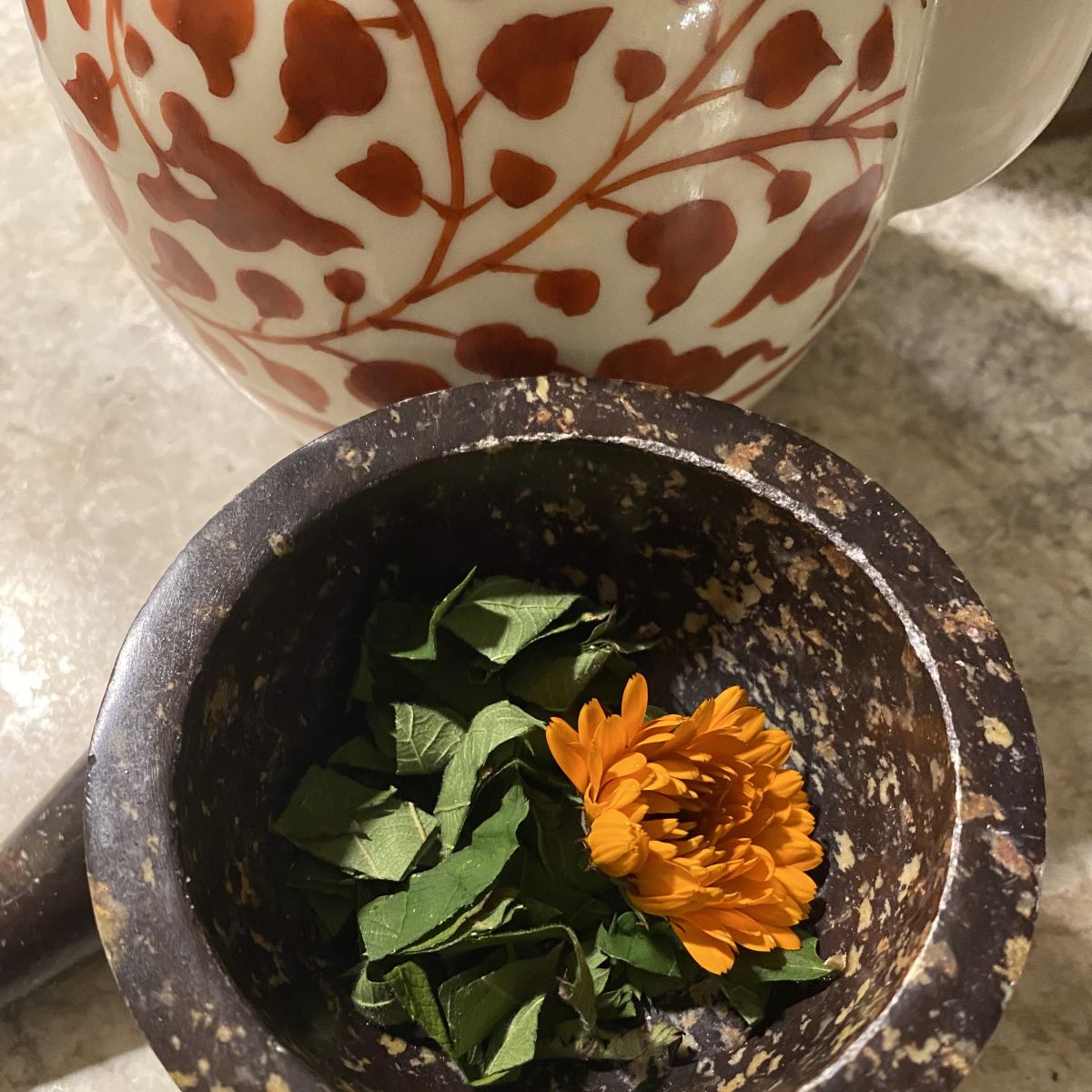
For a single mug or small teapot, you’ll want roughly 1 to 2 tablespoons of fresh chamomile—about 5 to 10 individual flower heads should suffice, though you can adjust to taste.Petals vs. The Golden Center
The flavor is mostly concentrated in the tiny yellow cone at the heart of each bloom. The white petals, while charming and adding a delicate, bittersweet note, are less central to the apple-like flavor that transforms the tea from ordinary to extraordinary.A Chamomile Benediction
The poetry of this herb is meant to be savored. You can feel it as you stand in the garden near dusk, gathering a few small blooms into your palm. The first sip of freshly steeped chamomile is soft and startling all at once. The apple-brightness is a flicker of sunlight at the edge of your tongue. The warmth spreads slowly. Not sedative, just soothing—like your first full, sighing exhale after a long day. And then the rest arrives: a hush, a loosening, a soft unfurling at the edge of sleep. With each sip, the boundary between doing and being dissolves. The tea becomes a gentle hand on your back, quietly suggesting a shift toward restoration. Your attention shifts to the invitation of moonlight softly pooling into your bedroom, where cool crisp sheets await to carry you across the threshold into peaceful slumber. Those few experienced moments as you find the bottom of your teacup are a lullaby composed by the garden itself. Dreams will come soft-footed and true—less like a movie and more like weather. With chamomile, sleep isn’t pushed or pulled; it’s invited. It arrives like a tide returning, and you, finally still enough, are ready to be carried. As the day’s clutter dissolves, you find yourself softened and ready to release. This isn’t the sleep of collapse or retreat. It’s the kind that heals. The kind that lets the world compost itself overnight, so you wake with renewed peace and appreciation for the simple wonder in something as humble, yet profoundly effective, as a chamomile bloom. Reach for fresh chamomile when you need to loosen the ache behind your eyes. To quiet the inner pacing. To feel something warm and golden and whole.May This Cup Bring You Rest
Chamomile is the lullaby plant. Long associated with the sun and rest and peace. A humble daisy that steadies the heart and softens the sharp edges. So this cup is for gentleness. For softening into sleep. For surrender, without fear. For the fragile, glowing tether between being held and letting go. With that, I pass the teapot to you. May this cup bring you rest. Love, Karin (with an eye)If you’re new to this Meditation on a Simple series, you might also enjoy the first cup — lemon balm.