After the Frost: Fall Garden Care and Rose Hip Tea

Fall Garden Care
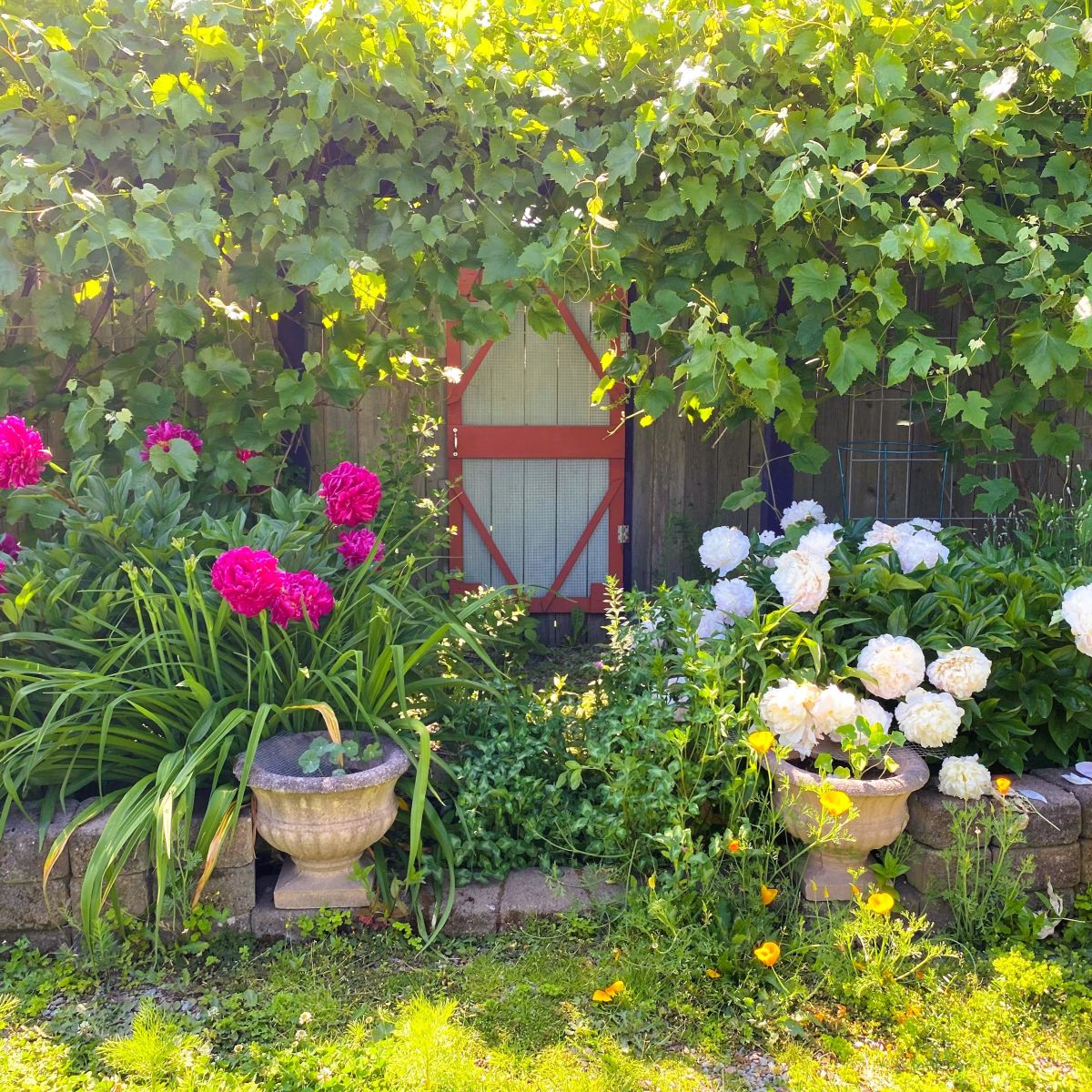
The first frosts have brushed the garden, silvering leaves and deepening the scent of wet earth. And yet, life lingers in pockets of color: asters lift their spiky purple faces, sedum glows wine-red, calendula scatter tiny suns across the beds, and California poppies flutter like candlelight in the brisk air. Bright punches of fuchsia hang like small lanterns against the grey Pacific Northwest days, the faint scent of damp earth curling around them. Even the roses, some still blooming and others ripening orange and red hips, seem to insist that the season isn’t over yet.
It’s an in-between time — too early to tuck the garden to rest, too late to pretend summer might return. The soil is yielding and soft, forgiving when I tug at asters that have crept, and the gentle looseness of the earth makes dividing irises and hostas feel easier, almost meditative. Tending now is less about conquering the beds than about listening: clearing enough to let what’s still vibrant thrive, while leaving space for creatures, insects, and the quiet cycles of the soil.
🌿 Early Fall Garden Tasks
- Trim back lemon balm and day lilies before sogginess sets in. (These gardening shears are my go-to for this task.)
- Cut back and divide crowded irises and hostas while the soil is still workable. (I find a good Hori-Hori knife essential.)
- Remove spent aster clumps that have spread too far.
- Prune raspberry canes that fruited this year.
- Leave seed heads of echinacea and rudbeckia for winter pollinators.
- Keep ornamental grasses standing for bird shelter.
- Gather excess fallen fruit to compost to prevent rodent issues.
The decisions of moderation — what to hold and what to release — are a meditative conversation with the garden, a quiet reminder that tending, whether to blooms or to our own creative work, benefits from intuition and grace. These moments of letting go and making space seem almost aligned with the rhythms of the equinoxes, the subtle turning points of spring and fall when nature teaches us about balance, renewal, and release. For more on this philosophy, see Gardening is Editing: The Power of Letting Go and You Are Enough: A Gardener’s Guide to Grace.
The lemon balm that thrived all summer has faded from its vibrant greens to brown-gray, and the day lilies have turned to soggy ribbons. Cutting them back clears space for the late bloomers that still have beauty to express. And yet, not everything should be removed. Some seed heads, hollow stems, and dried stalks are worth leaving: they shelter overwintering insects, provide seeds for birds, and slowly break down to enrich the soil. Fallen fruit, too, serves a purpose — a few windfall apples or pears feed chickens and feed the compost, but left in excess they invite rodents to burrow and establish unwanted tunnels. By tending with intention, gathering what is needed, and leaving the rest, the garden remains productive, hospitable, and visually rewarding even as the season winds down.
Amid this tending, the rose hips glow orange and red, little lanterns set against fading leaves. I gather them fresh and steep them whole, letting their tart, vitamin-rich warmth fill the kitchen. There’s no need to fuss over scooping or seeding if you are using them fresh — a slow simmer draws out flavor and color. I often add a few rose petals as well, a gentle nod to the heart that the flower once carried. The rose itself has long been a symbol of love, beauty, and devotion. In contemporary witchcraft and folklore, rose hips are often associated with mending a broken heart and are considered a symbol of waiting for true love. They are the essence left behind after the petals fall — a concentrated gift of vitality, patience, and quiet endurance.
Steeping whole rose hips releases a warm, citrusy flavor, distinct from the soft, floral notes of the petals. Their ripening in late fall feels almost magical: they mature at precisely the time of year when our immune systems naturally begin to wane, as days shorten, sunlight diminishes, and we spend more time indoors. Folk wisdom suggests that the rose, in leaving behind its hips, offers nourishment just when it is most needed — a vivid example of harmony between the garden and our bodies, a reminder that nature often answers our needs with perfect timing. Drinking this tea slowly is a ritual in itself, a balm for the heart: it comforts, restores, and carries the quiet magic of the garden into the kitchen and into us.
For my rose-hip tea ritual, I trade in my everyday workhorse favorite teapot — a stump-style pot in cheery orange with its sleek Art Deco lines and handy removable stainless-steel strainer (this one) — for something better suited to the task. Whole rose hips are large and need space to roll and release their flavor, so instead I reach for a Japanese-style ceramic teapot with an integrated strainer molded into the spout and a simple bamboo handle (I love this one). Its open interior lets the hips steep freely, and the result is a deeper, brighter brew that is much easier to pour and clean.
🌸 Rose Hip Tea
- Gather softened orange or red rose hips after the first frost.
- Rinse and steep whole in hot water for 10–15 minutes. You may want to slightly crush them to release more flavor.
- If you are adding rose petals, do so for the last 4–5 minutes of the steep.
- Sweeten with honey or lemon if desired.
- Enjoy as a warm, vitamin-rich tea to celebrate the season.
Autumn asks for gentleness and attention rather than ambition. The season settles softly, and yet the garden still insists on color. The mist curls around pansies and bellflower. Dahlias push tentative late blooms, a surprise scabiosa lifts delicate heads, and the Brazilian vervain hums with small patches of warmth. By trimming the soggy, browned, and overgrown, the remaining flowers shine even brighter. Each bed offers a final flourish before winter arrives. In these carefully tended pockets, the garden feels lush and alive, a quiet celebration of persistence and beauty in the season’s fading light. I walk slowly among them, cutting, dividing, gathering, allowing. There is a lesson in this in-between: endings are rarely neat, and beauty rarely disappears all at once. Sometimes it persists just long enough to remind us how to hold space — for the garden, for the seasons, and for ourselves.
Love,
Karin (with an eye)