Gardening is Editing: The Power of Letting Go
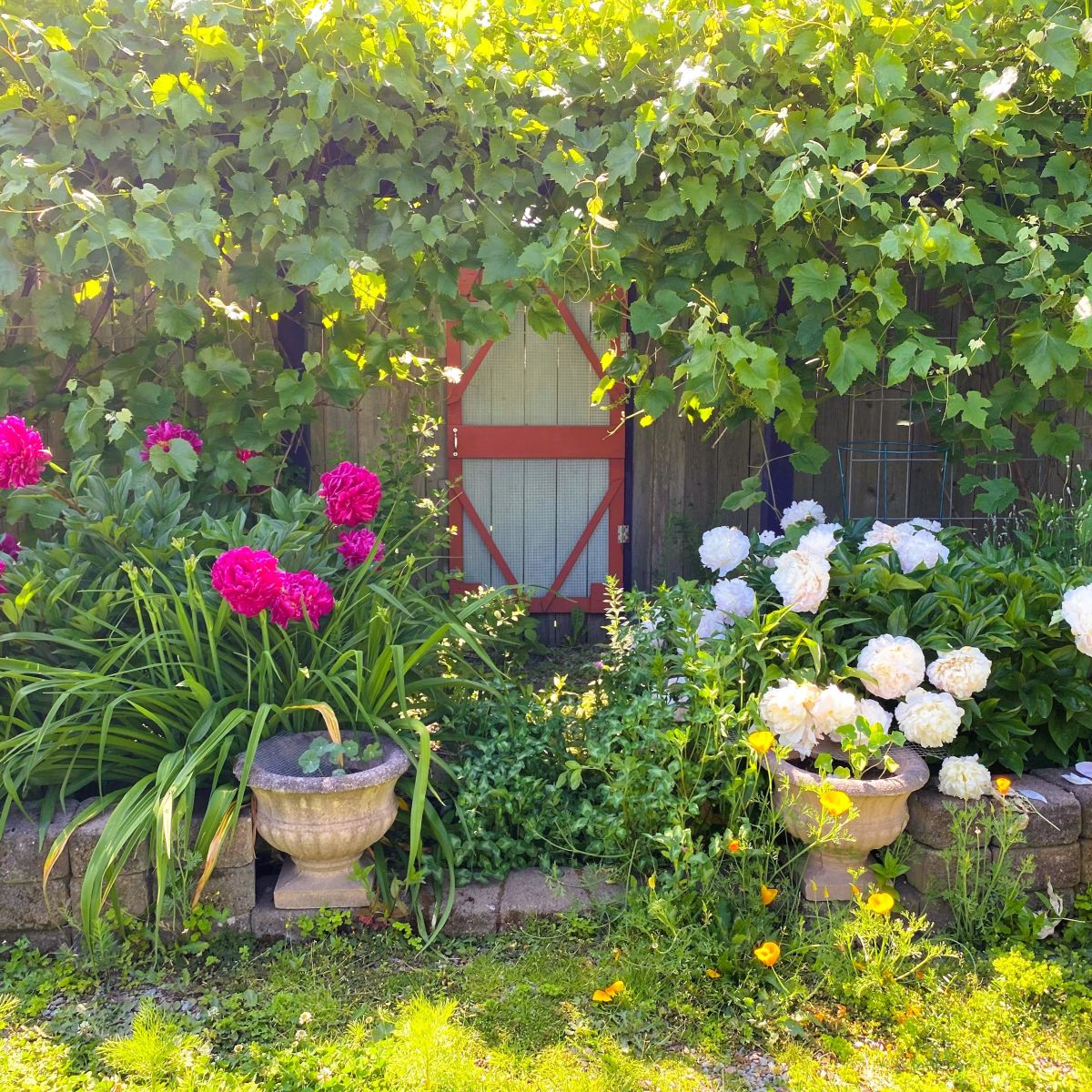
Our gardens are a balance between abundance and restraint. In the early spring, the garden leaps into production in a tangled mass of possibilities. The work, then, is in the shaping.
Much like a sculptor, the masterpiece exists within, but you must chip away at the unnecessary bits to reveal the form.
In music, the beauty lies in the space between the notes.
Jungian theorists and Taoists alike speak of the unity of opposites: every yin defined by its yang. We need absence to define presence.
Art is in the nothingness.
Sometimes in the garden, I struggle with attachment. An unfamiliar new sprout of life draws my attention. Hello, what are you, new friend? What will your blooms look like? How do your roots behave? Are you friend or foe? What if I pull you out and later regret it? Or perhaps there is a well established plant that I know I love, but it’s simply growing in an inconvenient place. Sometimes it’s not just physically hard, but psychologically challenging, to commit to digging out a thriving lemon balm or patch of asters. We as humans are driven by our attachments, and there is an emotional aspect to letting go. The moment we realize a beloved plant simply does not serve its landscape, or is taking away from another plant’s ability to truly sing, an internal reckoning is required to remove it.
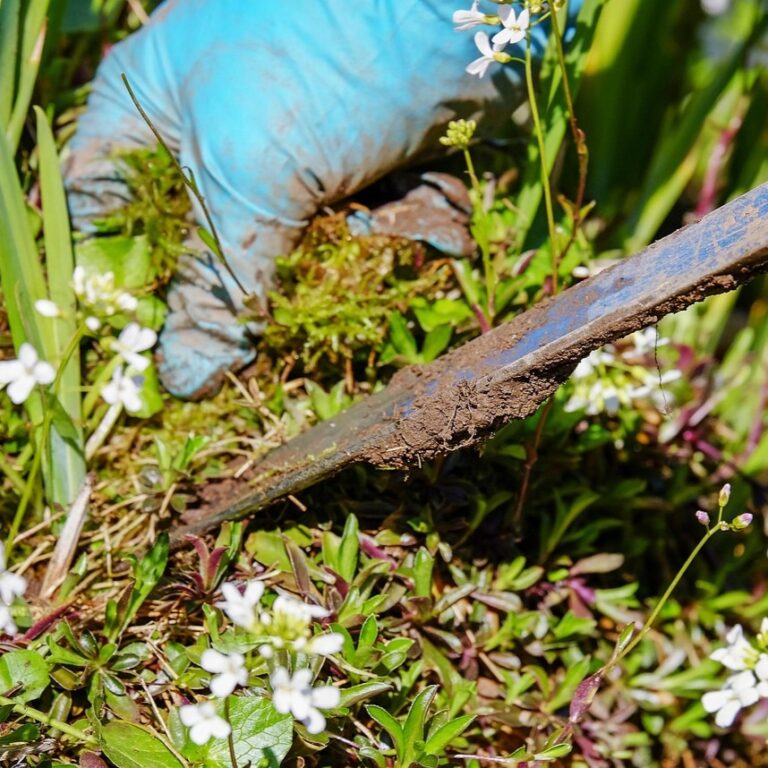
And so, we hesitate. Occasionally I find myself cutting something back instead of digging out roots and all, to see how I feel about the “edit” and give it a sort of second chance. But if it truly does not belong, then dig, we must.
Pruning is a necessary part of the creative process. Unchecked growth can choke out the core of a garden. Deadheading encourages more blooms. Pruning the tree keeps it healthy and provides stability against wind and weather. Restraint can be viewed as a form of care rather than destruction.
Fortunately, the garden forgives. Second chances abound. Plants can be transplanted, rehomed, and in that process you may find the plant goes on to thrive, fulfilling its potential in its new space.
The garden is not a fixed creation, but an evolving space of renewal and possibility. Each spring offers a new palette, a new opportunity to select which shapes, colors, and scents to highlight, and to chisel away the elements that conflict with that intention. The garden doesn’t hold on to past mistakes. A cut-back plant may return even stronger. A misstep in shaping your landscape can be adjusted next season. Time reshapes everything.
Approach your writing in the same way. Editing does not erase; it refines. What remains after pruning, weeding, chiseling is what truly breathes. When you edit, look at your work just as you would the garden. The words that remain should not be merely selected, but allowed. Given space to resonate.
The challenge is knowing what to keep. Some ideas feel lush, full of promise, but their presence smothers the core of the piece. You may bear strong emotional attachments to certain words and passages. Editing, like weeding, is an act of clarity. We make strategic and sometimes difficult decisions to let the strongest elements thrive. The hardest choices often involve cutting what we love, not because they lack beauty in and of themselves, but because they don’t belong in this particular landscape.
I will say it again: pruning is a necessary part of the creative process. Unchecked growth can choke out the core of a piece of writing.
Writing forgives and second chances abound. What can sometimes feel like loss can be a necessity for something you value even more to thrive and meet its full potential. A passage you have cut may find new life in different works.
And just as the garden allows for new choices each season, your work is never truly finished. Each edit is an opportunity to refine, revisit, and let different elements shine.
This is the art of nothingness. Not an absence, but an intentional shaping of space. A garden that flourishes, a sculpture that reveals truth, a melody that resonates. A piece of writing that breathes.