Meditation on a Simple: Lemon Balm

Lately, I’ve been tired—the kind that goes beyond sleep.
Though I’ve been missing plenty of that, too.
The past several weeks of late nights leading up to the launch of this website brought more than a state of chronic sleep deprivation.
The process also demanded an unexpected emotional load that I hadn’t quite prepared myself for.
This week I find myself feeling a little wrung out.
Not in a dramatic way—just quietly depleted, like a sponge that’s done its job.
You know how trying to operate on 4 hours of sleep can feel a lot like a hangover?
I needed comfort, heart healing, replenishment.
Even my smartwatch pleads with me each morning, recapping my dismal sleep and projecting low energy for the emerging day: Listen to your body.
🍋 Why Lemon Balm?
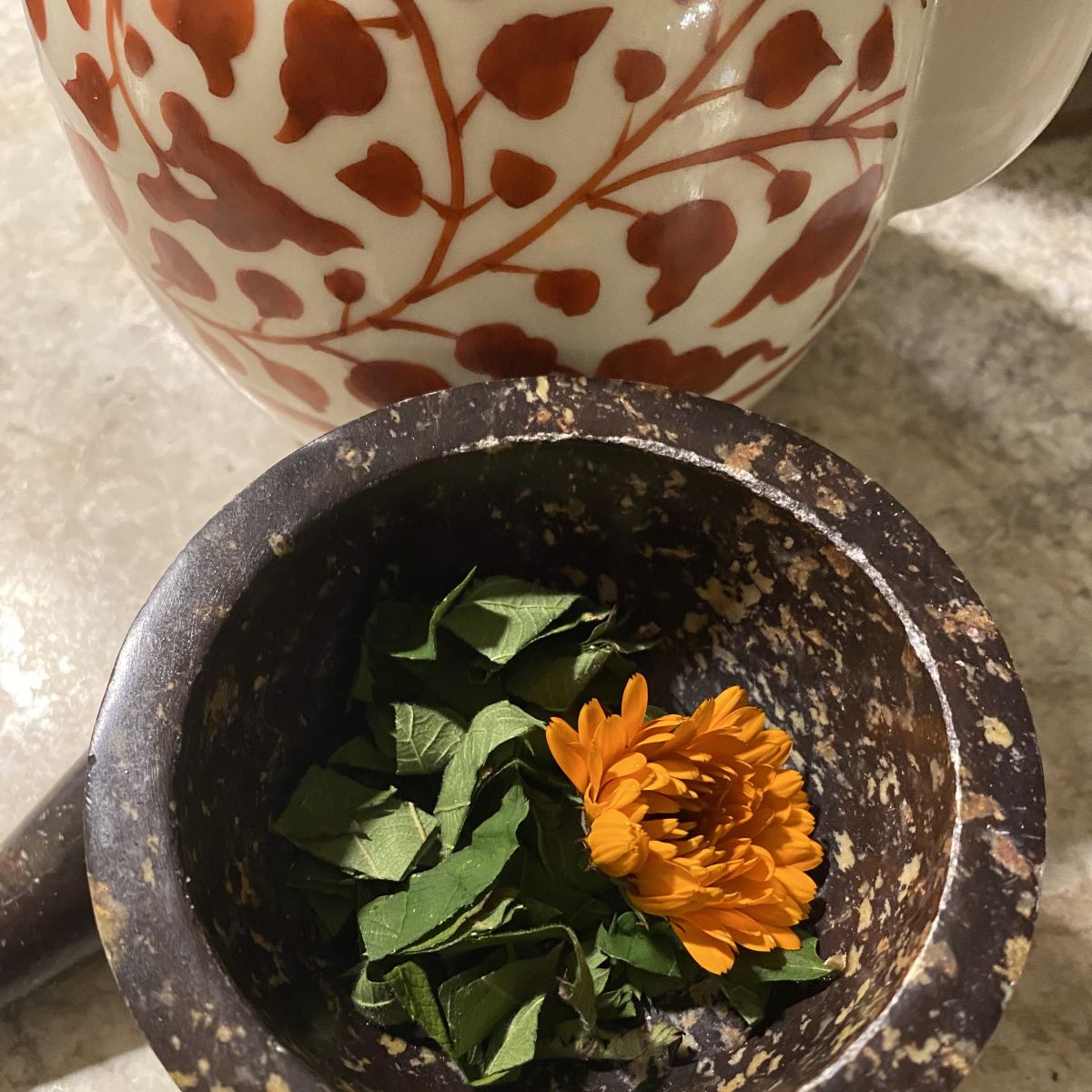
So when it came time to choose the first herb for this Meditation on a Simple series, I reached for lemon balm.
The simplest of simples.
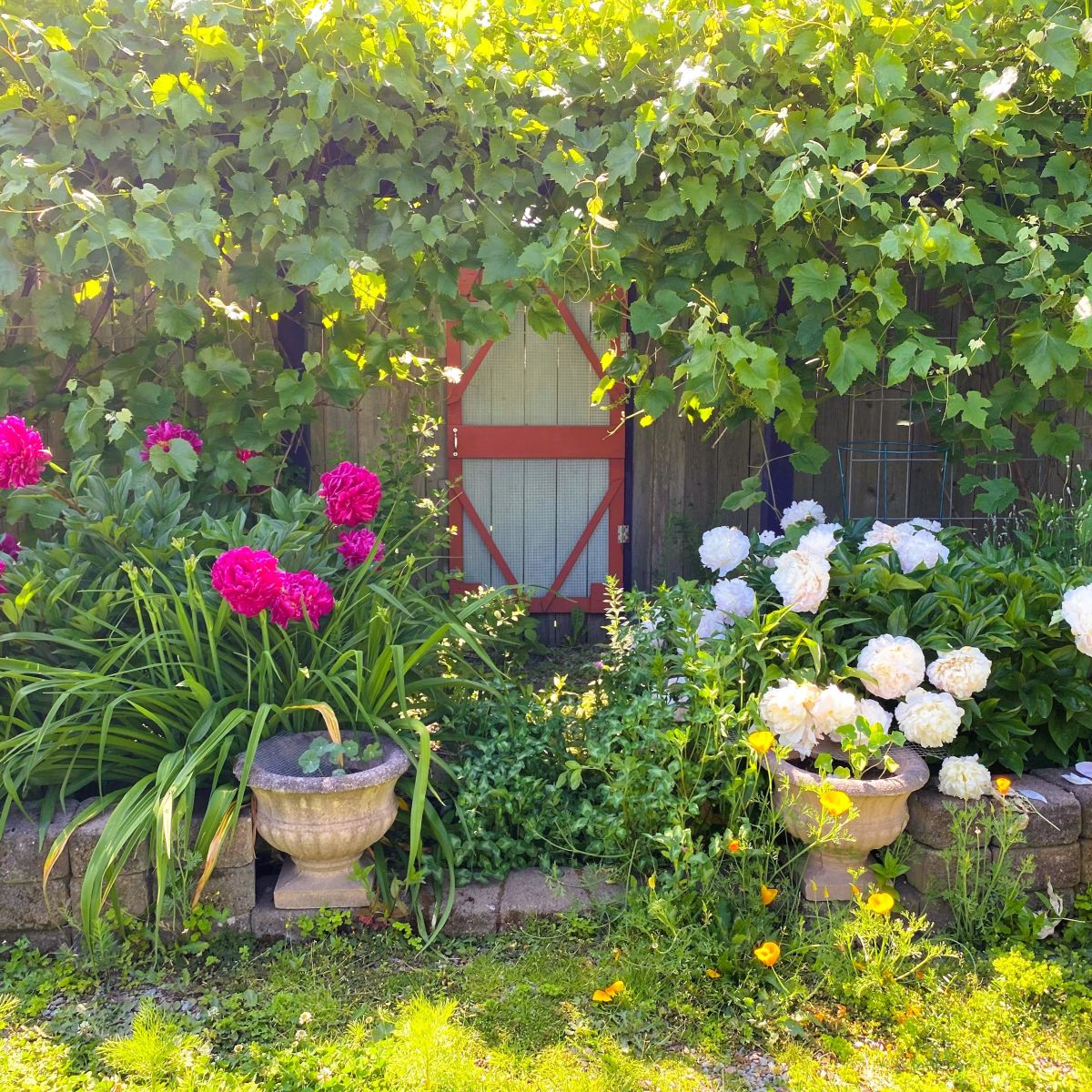
It grows in abundance outside my door, unprovoked, leaping beds and popping up defiantly between bricks and stones.
It’s a plant that doesn’t ask much and offers plenty. Which, today, feels just right.
☕ A Taste of Comfort
Its flavor is gentle but unmistakable—classic naturally sweet lemon and a hint of mint,
but without that unfortunate citrus-meets-toothpaste effect.
It’s mild and even suitable for children, if you want to elevate your next teddy bear tea party.
🌿 On Growing Lemon Balm
Lemon balm grows in spite of you.
It’ll stretch five feet tall if you let it. Don’t let it.
Keep it trimmed. Cut it back to the ground in winter, and it will greet you again in a few short weeks.
Life of the party, she’s one of the first to arrive and last to leave.
It means you’ll nearly always have it fresh. Great news, since it loses much of its flavor when dried.
She spreads if you blink, and once she’s settled in, it takes a bit of muscle to pull her up.
Myself, I don’t mind so much—gardening, among many benefits, is fantastic exercise.
But if you don’t have that in you, you may want to keep it in a container.
(And yes, it will leap from the container, too.)
Lemon balm naturally repels flies and mosquitoes, making it a welcome addition to a backyard patio. Like most plants in the mint family, it’s perfectly happy in dappled shade.
🐝 A Plant Named Melissa
There’s a reason we attribute the word balm to this plant.
Lemon Balm, Melissa officinalis, heals and soothes.
In Greek mythology, Melissa was a nymph who taught the use of honey, and was said to have nursed the infant Zeus with goat’s milk and honey.
Because of this, the name Melissa is associated with nurturing, sweetness, and wisdom.
Perhaps lemon balm is called Melissa officinalis because it is so beloved by bees.
Its calming and uplifting properties evoke the nurturing and gentle connotations of the name.
🌙 A Comfort Herb
In herbal tea, lemon balm is called upon for its anxiety and stress relief benefits.
It’s also a mild sedative, supporting a good night’s sleep without grogginess.
We also reach for lemon balm for mood and mind support.
It lifts low spirits, sharpens your focus, and is a steadfast ally for grief or transition. A comfort herb.
📡 An Offering to the Ether
In short, everything I needed in this cup for this first meditation on a simple.
Take my anxiety down several notches. Catch up on some sleep. Settle my nerves.
Carry me through this transitional phase of sharing words outside my own pages.
Settle into this new sensation of drawing out what’s buried,
converting it to zeroes and ones,
spinning through the cosmos and hurtling off satellites,
and settling into the palms of old friends and passing strangers—
hoping it finds you in a place you recognize.
So today, this cup is a deep breath and a feeling of calm, of renewal, of comfort.
A reset.
Maybe you could use that too.
With that, I pass the teapot to you.
May this cup bring you ease.
Love,
Karin (with an eye)