Winter Solstice: A Promise Within the Big Dark
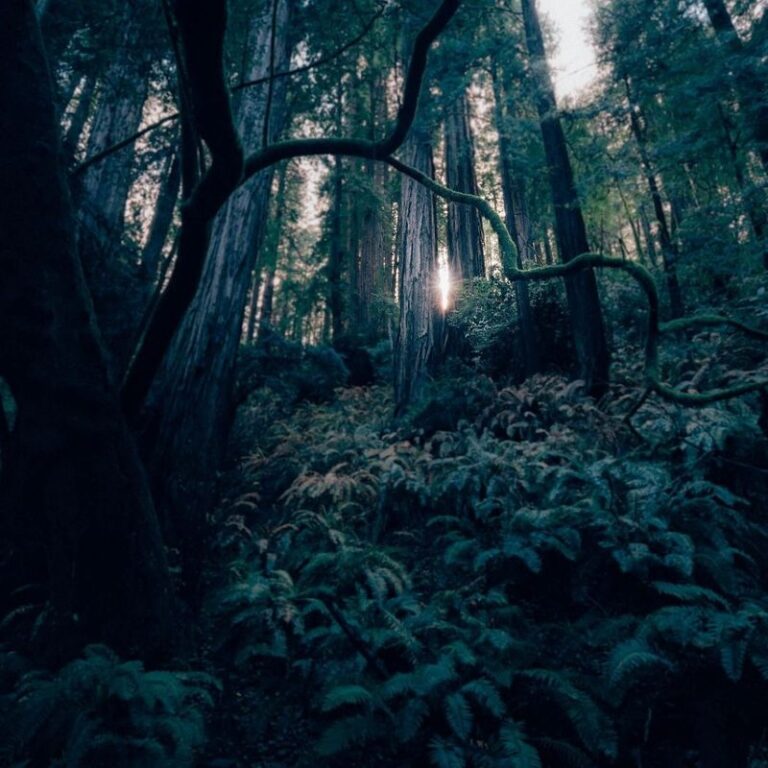
Sun Standing Still
In the garden, winter looks like an ending.
Beds lie bare. Growth has retreated underground. What remains is structure: soil, stems, the architecture of rest. It can look like loss. A death to mourn.
But every gardener knows better.
Midwinter isn’t an ending, but a preparation. Roots hold fast beneath the soil. Energy gathers where we cannot yet see it. The garden is stripped of its teeming green to its sparse framework, a canvas cleared for vision. The gardener reads the bones with new eyes—discerning what thrived, what faltered, what might yet be imagined when abundance returns.
As the Wheel of the Year turns through growth, bloom, harvest, and decay, the sun’s path rises and falls in a slow oscillation—from its confident leaping arcs of summer to the subtle lift and dip slung low along the horizon. It follows a slow, pendulum-like rhythm. Around December 20–21, the sun traces its shallowest path across the sky, skimming along the earth like a timid child, reluctant to stray far from its mother.
The sun’s gradually shifting position traces a looping figure eight—an analemma, Earth’s signature inscribed in light. Near the winter solstice, that path slows at the bottom of the curve, the sun lingering in the lower cradle of the figure eight as if reluctant to begin its gradual climb again. Solstice means “sun standing still”—not a literal halt, but a moment of suspension. A hinge in the dark, where the stillness belies a hidden promise of future light.
And after that deepest point of reduction, the return of the light is subtle, yet dramatic and palpable. In midsummer, the gradual loss of daylight slips by almost unnoticed. But here, in the depth of winter when we feel the bone core ache for the days to lengthen again, those few extra moments of light each day can feel as primal sustenance.
In 2025, the winter solstice arrives with a new moon—that inky void, a darkness layered upon darkness. This absence of moonlight deepens what many in the Pacific Northwest call the Big Dark: weeks of short days, low skies, and a quality of light so spare it pushes inward. Damp air presses close. Both body and mind notice. We reach for vitamin D, for warmth, for rest. Seasonal melancholy is not a personal failing here—it is a visceral response to the scarcity of light.
And yet, this reduction is not an end, but an invitation.
The Darkest Night
Winter solstice has long carried the story of death and rebirth—the symbolic death of the sun, and the promise of its return.
Across many traditions, this pause is understood not as emptiness, but as threshold. In tarot Death is read not as an ending but as change—the composting of what must fall away so something new can emerge. Numerology speaks of zero not as nothingness, but as a womb: the fertile dark from which all things begin.
Stone circles like Stonehenge stand sentinel at the year’s turning, their stones catching the solstice light with deliberate grace. Long before Christianity, earth-centered traditions marked this pause of the sun with fire, greenery, and vigil, honoring the fragile balance of dark and light. Later, Christian observance layered its own season of waiting onto this time—preparing for the arrival of the Son, echoing the long-anticipated return of the Sun. In both, the promise is the same: light breaking through the longest night.
Here, the illusion of linear time thins. While the calendar suggests an end of a line, the year reveals itself as cyclical, recursive, a spiral that revisits the same thresholds again and again—each time altered by having passed through before. As above, so below.
Gathering Light
Despite the fleeting daylight, this is not a season for haste. The long nights and waning calendar days as we approach winter solstice invite us to level our eyes and look within.
Across many traditions, the weeks leading into the winter solstice are marked slowly, gathering light grain by grain. A gradual accumulation rather than a single revelation, as we prepare for the Yule season. Meditations of peace and hope, of joy and love, are the seeds we sow.
We answer the dark instinctively. We light candles and string lights against the night. We brew tea, bake sweets, gather greenery, and tell familiar stories at our hearthfires. Lantern festivals, songs, and shared meals mark this turning. Across cultures and centuries, these gestures echo the same ancestral rhyme: to welcome the sun back by reflecting its warmth ourselves. What we now call the magic of Christmas carries older roots—rituals of brightness, generosity, and care meant to remind the world, and ourselves, of promise.
And with that reflection of warmth, there is a reflection within ourselves. Winter solstice asks us for honesty without judgment in our self-reflection. For what is sometimes called shadow work—not as self-critique, but as witnessing. What remains when excess is stripped away? What endures? What no longer serves us?
Solstice Dawn
There is something tender about solstice morning.
The first light of dawn feels modest yet deliberate. It promises: *I am still here.*
This is the kind of hope that doesn’t rush you. The kind that trusts cycles more than deadlines. The kind that understands rest as part of becoming.
A Blessing for Yule
May this longest night hold you without fear.
May the dark be a teacher.
May what is heavy be set down,
and what is essential stay close.
May you tend small flames—
tea steam, candlelight, shared warmth—
and trust in their promise.
May the returning light find you ready, not hurried, but open.
Strengthened and renewed by the hardening of winter.
And may you remember,
as the sun remembers,
how to come back.
A Winter Solstice Haiku
Winter sun exhales
Its toes curled around the ledge
Gathering itself
Love,
Karin (with an eye)
P.S. For more thoughts on what lies beneath during the darkest days, you may enjoy this piece on embracing dormancy.