Meditation on a Simple: Agastache (Anise Hyssop)
Welcome to the next in my Meditation on a Simple series, where each tea note is allowed to shine on its own, one flavor at a time, so that its character can be noticed, savored, and fully appreciated.
A simple, in this sense, is a single ingredient steeped in water—nothing added, nothing masked—offering a moment to pause, breathe, and pay attention to what it has to say. Each sip becomes a small ritual, a chance to meet a flavor as a presence, not just a taste.
Boundaries and Cultivation
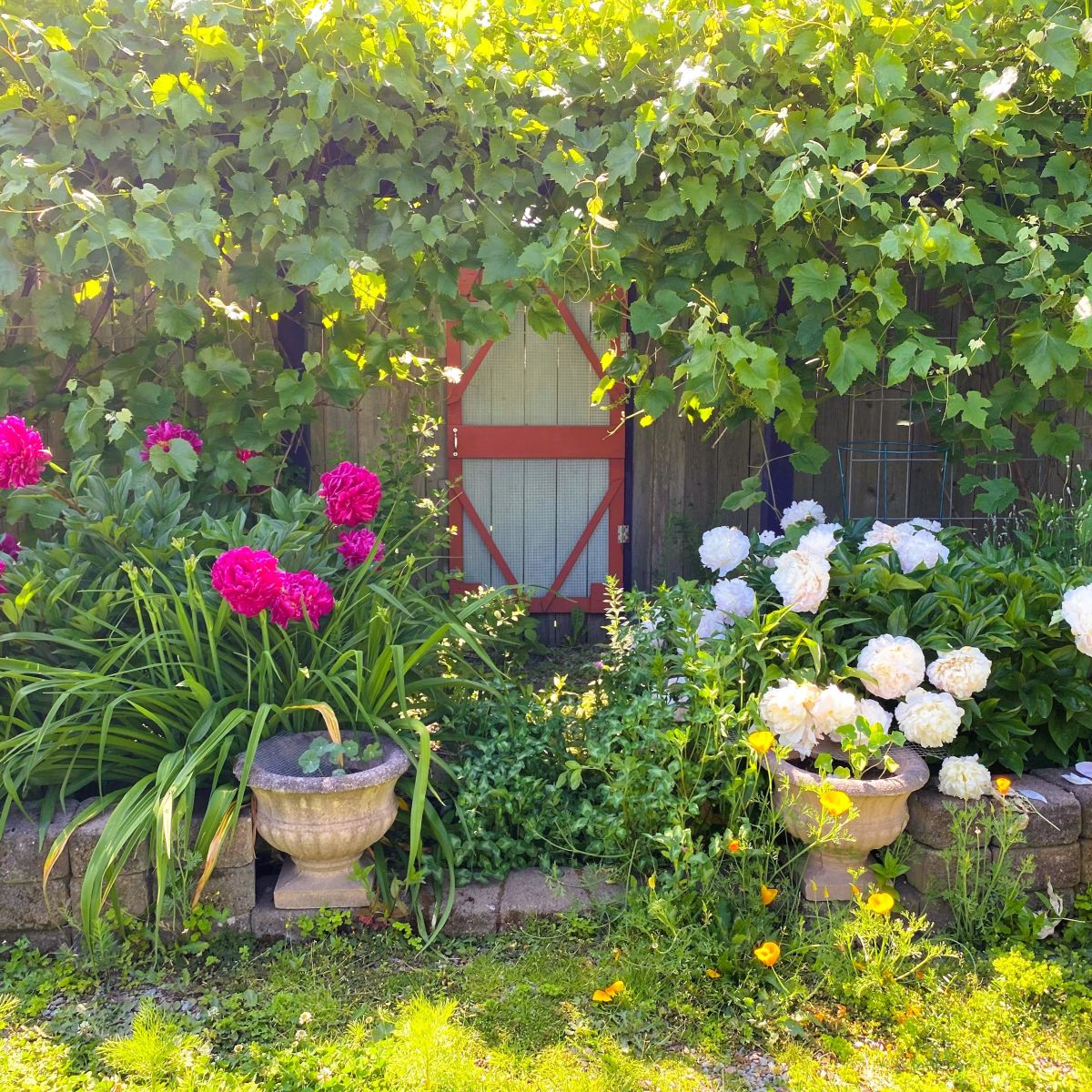
You may remember in my previous post about the benefits of boundaries in both the garden and in life, I wrote about how much I longed to add anise hyssop to my garden’s library of tea notes.
I had lovingly tended this plant indoors from seed. When it was time to transplant her, I was careful to protect her from her new curiously destructive neighbors in the chicken free range area while she was establishing herself. It was a profoundly metaphorical exercise in patience and boundary-setting. That act of cultivation mirrors the meditative attention we give when we steep a simple: watching closely, waiting, and honoring what is present.
The Plant and Its Flavor
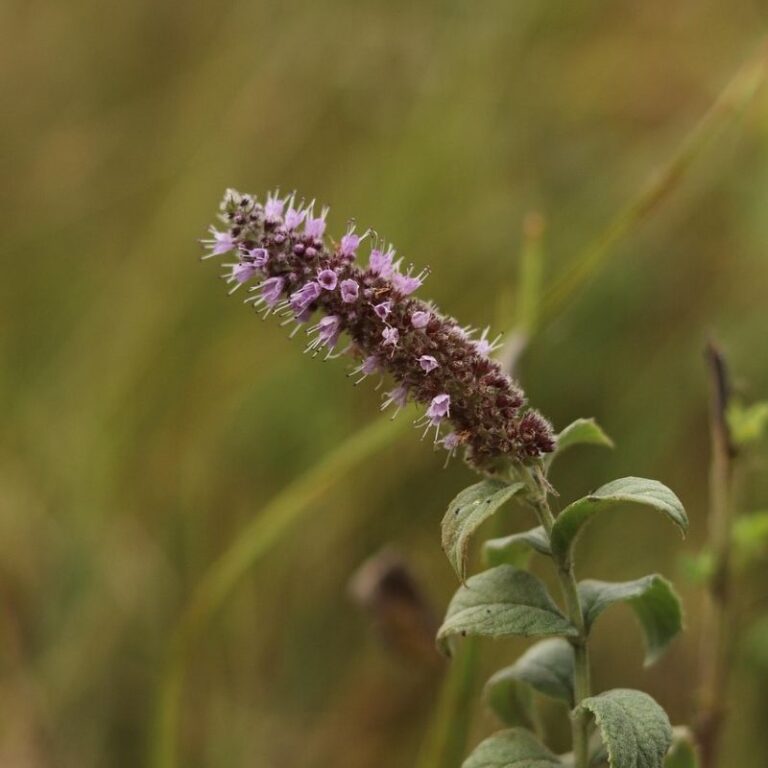
The flowers of anise hyssop, aka agastache, rise like lavender torches, their softly feathered purple spikes glowing against the green, soft as caterpillars yet upright and sure. Bumblebees, echoing their fuzzy tufted appearance, hum around them in constant devotion, drawn to the nectar hidden in each tiny bloom.
The square stems mark its kinship to mint, though on the tongue it speaks in licorice. The taste is prominent and complex—polarizing, unmistakable, and beloved. It’s a tapestry of black licorice, root beer, basil, tarragon, mint, and lemon all wrapped in a crisp, cool, sweet embrace.
I’ve always cherished that pairing of mint and anise, evoking the memory of Scandinavian school chalk candy—soft and chewy black licorice hidden inside a crisp white mint candy coating. The candies look exactly like the worn nubs of chalk resting in the dusty chalkboard tray at the front of every childhood classroom. Perhaps my affinity for licorice chalk is a sweet nod to my father and grandmother, both schoolteachers, and both part of a Scandinavian lineage I hold close.
Memory, Fragrance, and Nostalgia
The fragrance drifts between soothing and sensual, calming as a deep breath yet stirring in ways hard to name. Science has even suggested that the scent of black licorice can awaken attraction and arousal—but long before research proved it, we knew how certain aromas wrap themselves around memory, body, and desire.
For me, anise hyssop calls back the many years I spent working in a movie theater as a teenager, steeped in reels of light and the soft bite of black licorice from the concession stand. Those nights were playful, full of laughter and friendship, tinged with a hint of nostalgic melancholy—the ache of dreams I carried then of becoming a filmmaker myself. The taste is layered that way—sweet and sharp, soothing and sensual, playful and wistful all at once.
Even now, when I cross into Vancouver and find that little shop on Granville Island with its simply transcendent licorice bonbons, I’ll buy a small bag and keep them close, tucked into a jar. I don’t treat them as a prize to be earned, but as a way of stretching cherished delight across time—one small jewel of sweetness when I need to remember tenderness toward myself.
Agastache is like that too: a plant that asks to be savored in small moments, a companion of both memory and presence. To me, it is a plant of duality, a living reminder that every light requires its shadow, every delight its weight, and that nothing in life exists without its opposite.
Folk Wisdom & Traditional Uses
Long before it graced cottage gardens or herbal tea blends, agastache was well known to the Cree, Cheyenne, and Iroquois. Leaves were steeped for coughs and colds, fevers and indigestion, or applied to the skin for rashes and poison ivy. Burned in ceremony, it became a purifier, a gentle ally for warding off heaviness and restoring balance.
In folklore, it took on symbolic resonance: resilience, adaptation, beauty, the divine feminine. Its violet torches embody strength in softness, the persistence of sweetness even in hardship.
Herbal & Everyday Medicine
Modern herbalists praise its antioxidants, antibacterial and antiviral qualities, and soothing effects on digestion. Teas are cooling yet bright; flowers can be tossed into salads, folded into jellies, or steeped into syrups and custards. It is deer-resistant, drought-tolerant once settled, and always abuzz with life: butterflies, bees, hummingbirds—all feasting until frost.
It is a gardener’s ally, a plant that gives more than it takes, requiring little tending but rewarding abundantly.
Spiritual & Emotional Medicine
Flower essence practitioners call agastache a balm for the spirit—restoring sweetness after guilt, easing the heaviness of shame, and coaxing the soul back into gentle union with the body. Its energy is upward and luminous, like a violet candle lit in the dark, offering forgiveness and harmony.
Brushed against in the garden, it seems to exhale calm, as though reminding us that healing need not be stern. Sometimes it arrives as fragrance, as sweetness, as play.
The Green Fairy & the Violet Flame
Here the plant twines itself with myth. Its breath of anise recalls absinthe—the Green Fairy, steeped in ritual and mystery. She has always existed in duality: muse of visionaries, whisperer of inspiration and daring, yet also a liminal presence, part invitation, part caution. Sweetness laced with shadow, beauty laced with mystery.
Though gentler, agastache carries that same suggestion of enchantment—ritual wrapped in vivid color and flavor, through fire and ice. Its fragrance reminds us that what soothes can also stir, what delights can also divide.
Purple and green are complementary flames: one royal, one wild; one of spirit, one of earth. Together they form a mystic pairing, a reminder that beauty thrives at the meeting point of contrast. To sip agastache tea is to taste that very duality: licorice blaze cooled in mint, violet blossoms rooted in green stems.
Benediction
Agastache blooms like torches of resilience in the garden—feeding bees in their devotion, stirring memories both wistful and playful. Brew the leaves into tea, crush the flowers between your fingers, breathe in that sweet-sharp breath of licorice and mint.
Let it remind you that comfort often carries a thread of longing, that delight can be stretched and savored across time, that sweetness shows its depth when it brushes against the bitter.
Agastache invites us quietly toward forgiveness. Its violet-and-green mingling reveals how spirit and body, sweetness and strength, can live entwined.
Notice what dualities bloom within your own garden, your own cup.
May it bring you both solace and awakening.
May its fragrance carry you gently into memory, and its taste anchor you in the present. May you always find sweetness—not only in what lies before you, but in the blossoms that rise from the past. The spirit of the Green Fairy lingers there in that liminal space between whispered caution and sensual invitation—if only you pause to taste.
Love,
Karin (with an eye)
If you’re new to this Meditation on a Simple series, you might also enjoy the first cup — lemon balm, or the second cup – chamomile.