Failing Successfully: Wisdom Grown From the Dirt
No, your garden isn’t failing. You’re not cursed, and you’re definitely not alone. Let’s fail forward together.
A year ago, a sweet potato had begun sprouting in my kitchen. It looked oddly like a tiny axolotl, so I kept it in a hanging basket out of curiosity and affection. I didn’t have the heart to toss it in the compost quite yet. This spring, I finally admitted it was time to part ways with the anthropomorphic tuber, but on a whim, rather than toss it, I buried it in the garden and surrounded it with a wall-of-water just to see what might happen. Sweet potatoes don’t typically thrive here—our climate is too cool, the season too short. I’ve grown them in the past with a lot of extra effort, babying them in a blanket of fleece every evening and uncovering them each morning for weeks to get them safely into the summertime temperatures. With this in mind, I buried my little axolotl potato friend with little expectation.
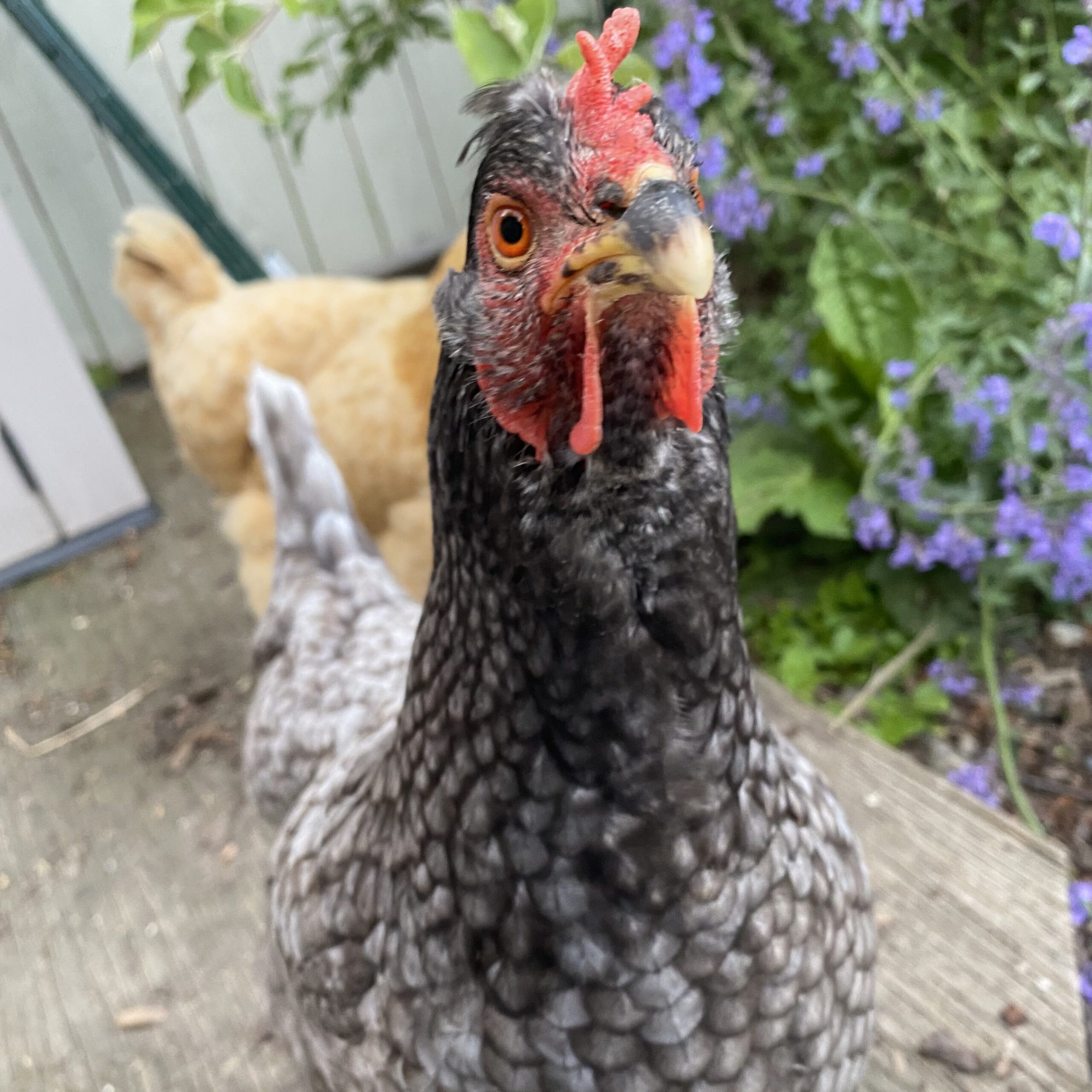
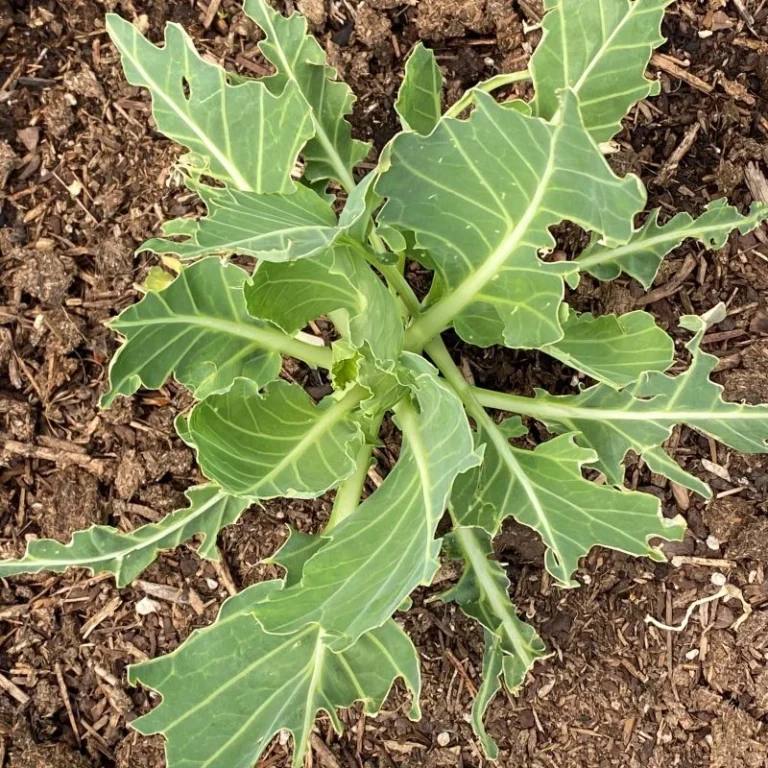
A couple of weeks later, one of my chickens discovered a weakness in my fortress of fenced-off vegetable beds and launched a full-scale, feathery rebellion. She deftly breached the perimeter and left a path of mass destruction in her wake. She demolished the cabbage and bok choy, devoured spinach and lettuce, and clawed through onion, tomato, and pepper starts so thoroughly that the damage was beyond repair. It was a crushing loss, a failure that felt deeply personal—after all, I thought I’d planned well, built strong defenses, and protected the plants with care. That batch of onions in particular would have lasted me all winter. I’m already wincing with the pain just imagining buying onions this year. I lost weeks of season on the tomatoes and peppers to start over with new nursery-bought starts. I didn’t blame the chicken. She simply stumbled on a door of opportunity I’d left ajar. I blamed myself.
Yet, beneath the rubble of that chaos, a quiet surprise was growing. I peeked into the wall-of-water to discover a flourishing cluster of new sweet potato leaves, ready to leap from its wall.
Then came a streak of hot days in June, and I removed the wall-of-water. I thought to myself, what a great example of learning lessons out of failures in the garden and finding unexpected successes within. I made a note to myself to write about it.
Within days, an unexpected cold snap ravaged the tender sweet potato leaves, leaving them wilted and browned, clinging to tenuous life. I stood there, palm to forehead, shaking my head, feeling a renewed sense of defeat. Great, I thought, even my successes are failures.
This is the garden’s truth: it is a landscape of failure. And failure, paradoxically, is its richest soil.
Failure Is the Rule, Not the Exception
Even the most seasoned gardeners don’t “get it right” every season. Year after year, the earth rewrites the rules. One season a plant thrives, the next it struggles. Pests emerge that weren’t there before. Weather shifts in ways no forecast could predict. The techniques that brought success last year may falter this year. The garden is a puzzle with shifting pieces.
It would be easy to feel defeated by this constant flux, to cling rigidly to last year’s methods or grow frustrated by repeated setbacks. But to garden well is to embrace the instability—to understand that failure is the baseline from which all growth springs.
In gardening, there is no perfect. There is only adaptation.
Failing Forward: The Gardener’s Dance With Uncertainty
To fail forward means to move through failure not as an endpoint but as a beginning—each misstep a lesson, each loss a guidepost. It means cultivating humility: acknowledging that no amount of planning can fully control the earth’s mysteries, the whims of weather, or the desires of plants.
Gardening is a conversation. It asks us to listen deeply—to the soil’s moisture, the sun’s patterns, the subtle signs of pests or disease. It invites us to respond with care and creativity, not stubborn repetition.
This dance with uncertainty grows wisdom over time. It teaches patience when seedlings wilt unexpectedly. It teaches flexibility when a favorite crop refuses to grow in a spot it loved last year. It teaches joy in unexpected surprises, like a sweet potato flourishing where it “shouldn’t.”
The gardener learns to read the garden’s shifting language. The process becomes less about control and more about presence.
The Quiet Power of Failing Successfully
My chicken’s rampage, as frustrating as it was, forced me to see the limits of my control and rethink how I protect the beds. It reminded me that the garden is a living system that resists neat boundaries. It invited me to observe more closely, to anticipate and adapt rather than assume permanence.
The sweet potato’s wild growth and subsequent setback under the cold snap remind me that even success carries fragility. Triumph and failure often exist side by side.
To fail successfully is to hold both in balance: to celebrate growth while honoring loss, to remain curious and gentle with ourselves when things don’t go as planned.
This mindset doesn’t just nurture plants—it nurtures the gardener’s spirit.
Growth Through the Seasons of Life
Gardening mirrors life’s rhythms. Just as the seasons cycle, so do our experiences of hope, disappointment, renewal, and learning. Failure is woven into the fabric of growth. We stumble, we try again, we find new ways forward.
Every year, the garden challenges us with fresh puzzles and new opportunities to listen, learn, and adapt. The wisdom we gain isn’t from flawless execution but from the courage to engage, the patience to persist, and the openness to change course when needed.
So, in the garden as in life, maybe some of our successes end up being failures too. Embrace that. At least we fail successfully.
Love,
Karin (with an eye)