The Gardener and the Garden Within: On Boundaries and Tender Growth
Lessons from the Lavender
Gardens have a way of teaching us what we most need to remember. Some lessons arrive through lush growth, others through loss. My chickens gave me one such reminder the first time I tried to plant something new in their free-range area: a clearance-rack Spanish Lavender, already struggling, met their eager claws and curiosity.
I’ll own up to my rookie mistake. I had purchased a sad little rootbound clearance rack Spanish Lavender and thought I might be able to give it a new life in a freshly cleared patch of space. In hindsight, it was a dumb move: the girls had already claimed the space as their newest prime spot to scratch and dust-bathe. The spot was theirs before it was mine, and I had underestimated their determination. I returned to the spot that afternoon to find the flock had already circled in with their scratching and digging and the poor lavender, already struggling to unbind its roots, was upended and jettisoned several feet away. Lesson learned.
Planting With Intention
The next plant I introduced among the flock, my anise hyssop, mattered to me in a way the clearance-rack lavender hadn’t. I’d started it from seed indoors, tending its fragile sprouts through the weeks when they could so easily have withered. I had been longing for this plant. I love the flavor of black licorice, especially with mint, and I was eager to add that sweet, complex note to the tea garden’s menu of flavors. This was something I had chosen with care, something I wanted to see not just survive but thrive.
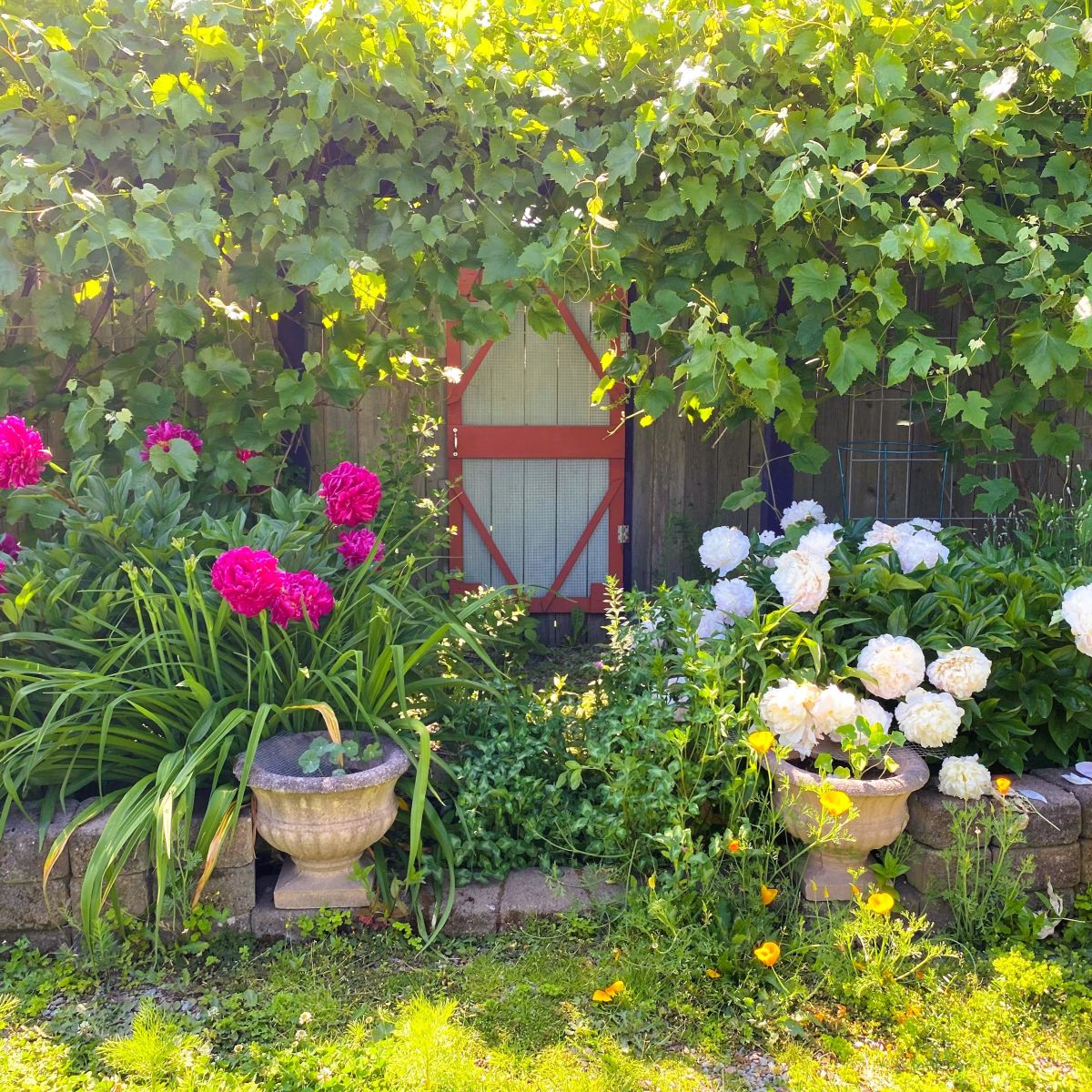
So I approached it differently. I chose a spot with intention, fenced it off properly, and watched it settle into the soil without interference. The fence wasn’t a punishment—it was a safeguard. A way to honor both the plant and the chickens, allowing each to flourish in their own way. Without it, I’d risk both loss of the hyssop and frustration with the flock. With it, I could love both more freely, appreciating the hens’ lovable antics while giving the new growth a fair chance to thrive.
The Fence as Love
That’s the thing about proper boundaries. They don’t diminish love—they protect it. A bit of wire between the vulnerable new plant and those weird little dinosaur claws means I can keep delighting in my chickens without silently resenting them for undoing something tender I’m trying to grow. The fence isn’t penalty. It’s permission for both the chickens and the hyssop to thrive in their own ways.
And yet again, the lesson stretches beyond the garden.
Tending Your Own Growth
That tender, protected plant is very much the vulnerable heart within us—the part that longs for care, security, and belonging. As children, we wait for someone else to guard our soft spots, to shield us from what might uproot us before we’re ready. If we are fortunate, that care comes; for some, it doesn’t. Others carry the ache of a neglected inner child, wounds that echo in adulthood through insecure attachment. And for many, the wound comes later: betrayal, heartbreak, loss, the collapse of something once trusted. We all carry places where care was missing, and those places ache when left unguarded.
But here’s the work of real growth: realizing that no one else is coming to build the fence now. That tender seedling inside us is ours to protect. We are both the plant and the gardener. It can feel tempting to wait—to hope a parent, a partner, or a friend might finally arrive with the care we longed for. But no one else can give us happiness in its wholeness. Their love can enrich the soil, but the fence, the tending, the daily presence—that is ours alone to provide.
“No one else can give us happiness in its wholeness. Their love can enrich the soil, but the fence, the tending, the daily presence—that is ours alone to provide.”
The Cost of Overgenerosity
In the garden, letting the chickens roam unchecked might feel like a generous and loving gesture. You tell yourself, they’re just living their best life, and you don’t want to be the bad guy. But generosity without boundaries quickly becomes self-erasure. That first lavender taught me this in a tangible, somewhat comical way: my desire to accommodate the chickens’ whims ended with a plant uprooted and a little gardener’s heart bruised.
The same is true inside ourselves. People-pleasing can feel like kindness—saying yes when we really mean no, shaping ourselves to meet others’ expectations, smoothing discomfort at the cost of our own needs. But when we fail to fence off the tender seedlings of our own hearts, they get trampled. Boundaries are not cold or selfish; they are the fences we put in place so our inner growth isn’t constantly dug up by external demands or internalized guilt.
Being Both Gardener and Garden
Tending yourself means noticing the sprouts of your own desires, your curiosities, your tender vulnerabilities, and giving them space to exist. It means saying no to overcommitments, to relationships that sap your energy, to voices that whisper you are not enough. It’s watering, mulching, staking, shielding from the “chickens” of the world—while still remembering you can love and delight in them.
Being both gardener and garden is a paradoxical practice of cultivating and protecting your own happiness and well-being. The adult self provides the protection, the structure, the nurturing and care; the wounded places within us receive it, grow from it, thrive within it. And the magic is in the reciprocity: tending your own growth makes you more available for joy, for connection, for the delicate pleasures of life. The fence you build doesn’t block love—it makes room for it. You can appreciate the chickens’ antics, the sun on your skin, the scent of the soil, precisely because you have honored what needs protection.
By the time the anise hyssop settled into its fenced corner, I could step back and watch without worry. The plant was safe, the chickens were happy, and I felt a quiet satisfaction—not just in a garden thriving, but in having learned how to tend it well. There is a tenderness in watching growth unfold when you’ve done your part to protect it.
The Garden Within
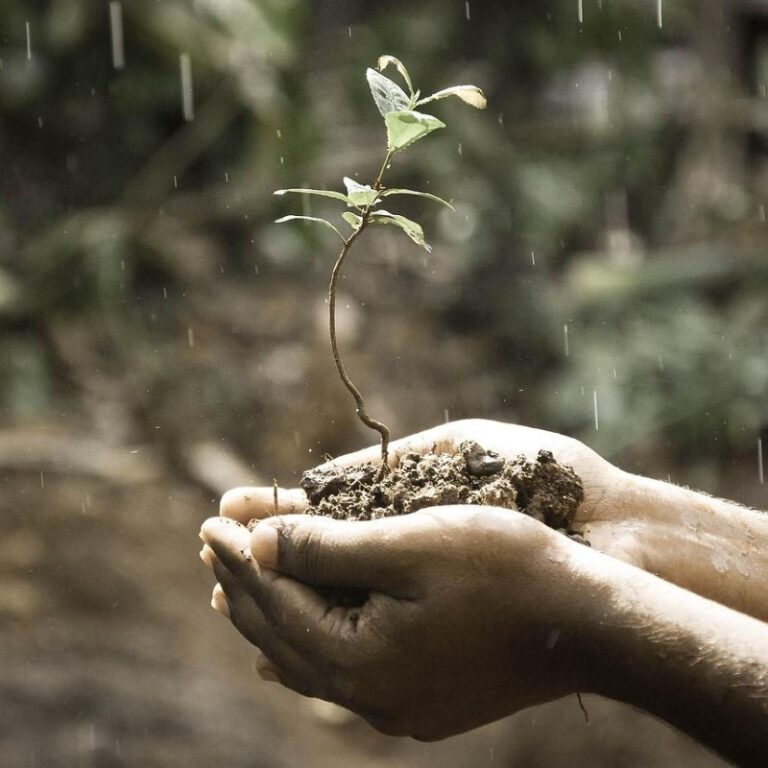
So it is with ourselves. The vulnerable heart, once left unguarded, can thrive under careful, loving stewardship. You are both the seedling and the gardener—the one who builds the fence and tends the soil. You are the hands that stake your tender stems, the gentle shade that shields from harsh sunlight. You are also the one who knows when to let growth stretch, to allow curiosity and joy to unfurl freely.
Boundaries are not walls against life—they are gestures of care, allowing love and delight to enter without risking harm. Showing up for yourself is not arrogance; it is fidelity. It is answering the question your heart has asked in its hardest seasons: Who will take care of me? And this time, the answer comes from you.
So cultivate yourself. Don’t wait for someone else to hand you peace or joy—they are grown, not given. You are allowed to thrive. Be both gardener and garden, tender and strong, rooted and reaching.
Love,
Karin (with an eye)