Brewing Calm: How to Start a Mindful Tea Practice (With What You Already Have)
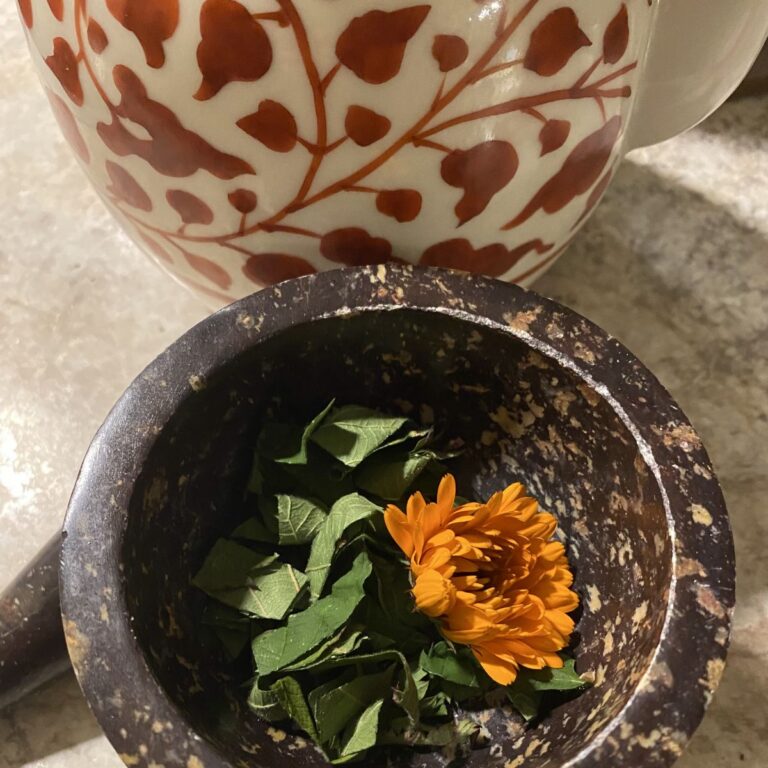
A beginner's guide to a calming tea practice for under $25 that starts where you are.
Introduction: Brewing Calm in a Busy World
In a world that never seems to stop spinning—where noise, news, and notifications crowd our every moment—it’s easy to forget the healing power of stillness. Finding a moment of calm can feel like an act of rebellion. Self-care is often sold to us as a luxury, a lifestyle, or a product, but it can be as simple as a warm mug, a quiet corner, and a moment to yourself.
You don’t need permission. You certainly don’t need a lot of cash or effort. You don’t need special training or an expert spiritual authority to guide you. You are the spiritual authority.
This guide invites you to center yourself with a simple, quiet practice—something personal, slow, and grounding. With a few common plants, some foraged or found, and a couple of intentionally chosen tools, you can build a comforting practice that supports your well-being.
Think of it like yoga, but without the mat. A small, teacup-sized meditation you can return to again and again.
Looking to explore the idea of your own tea garden and mindfulness practice? Not sure where to begin? This post is just the beginning. Over the coming weeks, I’ll be sharing more simple, affordable guides to selecting, growing, harvesting, and brewing your favorite herbs—all with intention and a dash of magic. We’ll explore both the practical uses and whispered traditions that surround these botanical elements. Be sure to check back, or subscribe to join the journey!
Why a Tea Ritual?
Everyday life is loud. The world is in constant noisy competition for your most valuable resource—your attention. Your phone pings with alerts and notifications. Your boss needs that report. The water bill is due. The rug needs to be cleaned again. We are pulled in all directions at once. It’s an endless stream that ensnares us so completely, we no longer hear the noise. Until we remove it and notice its absence.
A tea ritual is an often overlooked but incredibly accessible and effective form of self-care. You may think to yourself, “But I’m a coffee drinker. Tea is for sophisticated stuffy people, that doesn’t sound relaxing.” You would also surprise yourself. Take it from a diehard Pacific Northwest coffee addict. Coffee flows through my veins; it calls to me first thing in the morning. I don’t feel truly myself until that first sacred sip every day. For me, tea is a distinctly separate ritual and purpose.
Coffee is a misty, brisk elevation hike beneath a canopy of cedars. Tea is that quiet space where the mid-morning sunlight streams through the window reflecting off the drifting bits of dust, and all you hear is birdsong, the creaking of your rocking chair, and the occasional gentle pop of the house settling.
Building this kind of meditative space doesn’t require hours of commitment. It can come together in a single afternoon with just a few plants, a thrifted cup, and less than $25.
You don’t need a full apothecary or armload of herbs to begin. Just two or three simple, abundantly accessible ingredients and tools are enough to get you started with a beautiful, grounding tea ritual. You probably have some of these nearby already.
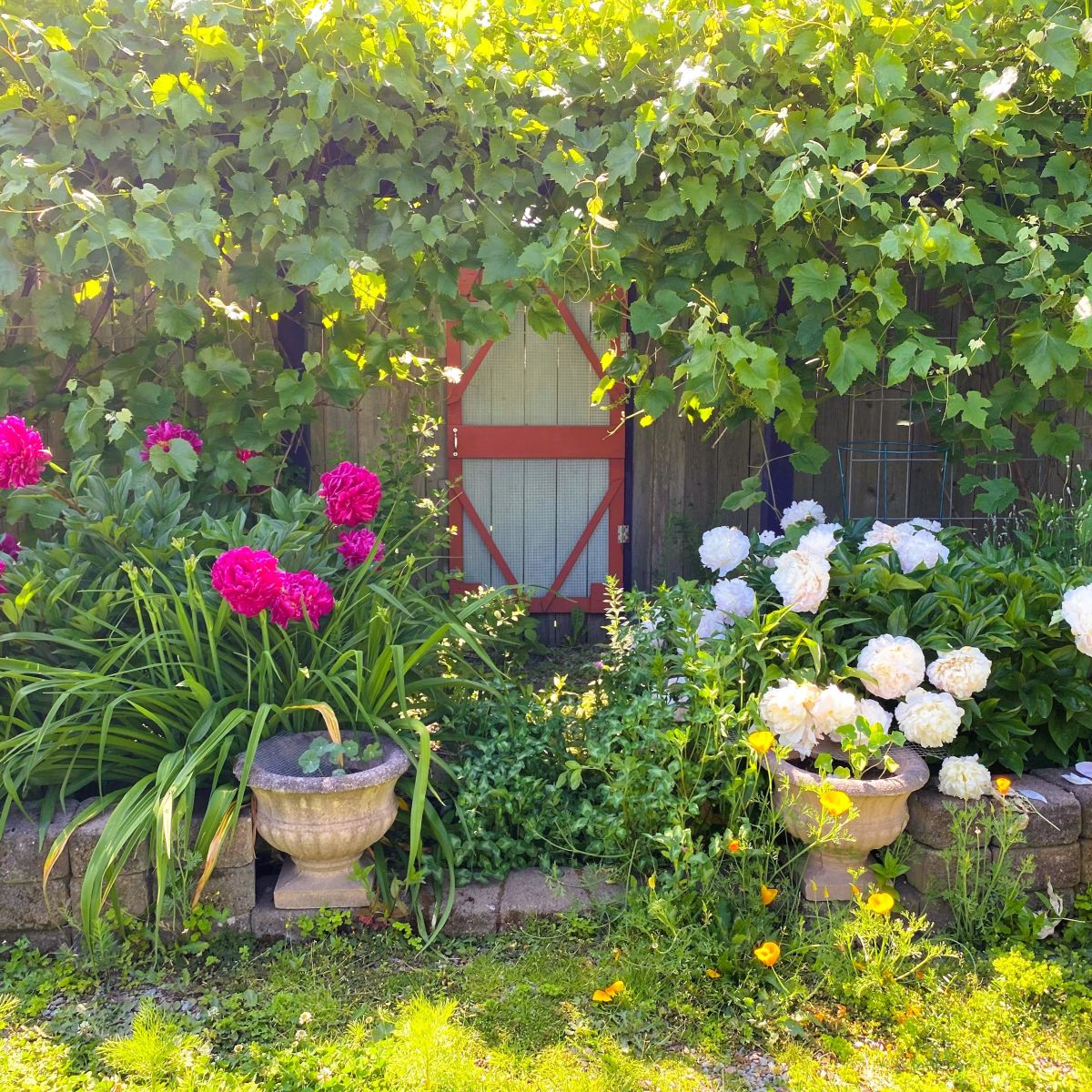
Sourcing Your Botanicals: Magic in Your Backyard
Dandelion. The leaves are most commonly considered as an herbal tea ingredient and they have many benefits but can be bitter, and not for everyone. But the whole plant is edible—leaves, flowers, and roots. Its flowers are sweetest; pluck the petals from the green base.
Rose. The petals have a lovely floral sweetness, and rose hips make an ideal zinger tea. I like to combine both as a comforting love-themed infusion. It may be an invitation to loving yourself more deeply, or a balm for the broken hearted. Rosebud tea before bed is said to induce prophetic dreams.
Lavender. Grows easily and abundantly in a variety of climates and is very popular in everyday backyard gardens. Harvest just as the first buds are beginning to open. It’s excellent not only in tea but for baking. It plays divinely with lemon.
Raspberry leaves. Easily foraged and both delicious with a mild sweetness and beneficial for their antioxidant and anti-inflammatory properties. Particularly soothing for menstrual cramps. To be sipped under your full moon.
Start small. Even a sunny windowsill indoors can host a small jar of rosemary or lavender. Just tuck a few sprigs into a cup of water just as you would fresh flowers.
You may find that just starting with a couple of easily accessible plants will inspire you to gradually expand your options by adding a larger variety of ingredients from a variety of sources. Personally, there is an added special joy in procuring, drying, and storing botanicals in pretty little amber glass jars on the shelf.
Remember, magic lives in shared green spaces too:
Borrow beauty from a neighbor: Ask a neighbor if you can take a small cutting from their overgrown mint or lemon balm. Most people are happy to share, especially plants that grow and take over in spite of them.
Visit a community garden: Many community gardens welcome visitors or have plant swaps, donation days, or bulletin boards where you can connect with growers in your neighborhood.
Forage with care: Some of my favorite tea ingredients are considered weeds by many. Edible plants like chamomile, red clover, yarrow, dandelions, or wild mint can sometimes be found in untended corners of parks and trails. For the more adventurous, add a new layer of purpose into your weekend walk in the woods and learn what licorice fern looks like. Next time you see it, gently pinch at the base and worry those tender little roots out from beneath the moss. Just be sure you are confident in your identification, and that you are foraging responsibly and legally. Wash well, dry, and roughly chop. Steep them a bit longer than normal to get the depth of their licorice flavor, about 20 minutes.
Farmer’s Market finds: Fresh herbs from a farmer’s market are often more affordable than the grocery store, and they typically last longer. Aside from that, there is a special kind of magic in that human exchange, being able to look into the eyes of the soul who tended that plant.
Want a printable companion to this guide? Join the Evergreen Inkwell and get my free checklist to help you gather your first tea ritual tools and ingredients—all thoughtfully laid out to keep by your side as you steep calm into your day.
Essential Tools for Your Tea Practice
Of course, once you’ve gathered your first beloved botanical elements, you’ll need just a couple of humble tools to bring them to life. The beauty of this ritual is that it asks so little of you: just water, heat, and a vessel. You don’t need a full tea service or fancy accessories. Just a kettle (or any pot that boils water), a teapot (or any heat-safe jar), and a cup to drink from.
To me, these elements are much more powerful when chosen with intention. But there’s no need to break the bank.
I love a good thrift. Whether it’s a tucked-away consignment shop, a community yard sale, or your garden-variety neighborhood Goodwill, there are treasures to be found. There is an added charm in the uniqueness of the variety and the joy of the hunt, finding the pieces that call to you. Fortunately, these three tools are among the most prolific to be found second-hand.
The Tea Kettle:
Peruse the kitchen aisle for a kettle that speaks to your vibe. It may have an old-world, pioneer appeal. Heck, even a little cast iron pot evokes that cozy coming-in-from-the-weather feel. You may find something more whimsical and brightly colored to complement a cheery kitchen nook. The beauty in this particular piece is that you get to leave it out. A kettle set on the back burner adds an element of subtle charm. I stop in my local thrift shop several times a month, and there are typically half a dozen or more basic silver whistling tea kettles on the shelf ranging from $5 to $10. Go on half-price tag days and spend your savings on a couple chamomile seed packets.
If you want to spend a little more and treat yourself with a little retail therapy, this rainbow mirror-finished whistling kettle is a delightful addition to your kitchen. I adore a whistler. There is something about that siren call that pulls you into the present moment and dials you into the beginning of your practice.
The Teapot:
The big secret here is that you don’t need a teapot if you have a basic mesh strainer or bit of cheesecloth. You can let your tea steep in any heat-safe container, and then simply strain it into your cup. But let’s be real, we want a teapot. They are beautiful and come in an astounding variety of shapes, colors, patterns, and designs. Choose with intention. What calls to you? My two favorites could not be more different. The one you see in the photo is a Japanese ceramic teapot with a bamboo handle, painted in a dainty red scroll. The other is an art deco-inspired, clean-lined, cheery bright orange stump style pot with a hinged metal lid (I scored mine thrifting but it’s this one). Functionally, they all do the same thing. They hold your hot water with your ingredients contentedly steeping within, and upon pouring deliver your gently flavored fresh tea while filtering out its spent elements. Choose a teapot that matches your unique aesthetic. One that makes you sigh and smile softly when you look at it. The feel of it in your hand should ground and center you, infusing you with a sense of reverence, comfort, self-worth, gentle assurance. It sounds silly, but when you find it, you’ll know.
The Cup:
This is where the ritual meets your skin. Your hands. Your lips. The cup you choose becomes the final vessel of all your gathered magic—the plants you tended or foraged, the water you boiled, the quiet you carved out of this loud, crazy world.
This isn’t just about aesthetics. This is about feel. The weight of it. The curve of the handle. The way your fingers wrap around it when you’re still shaking off the stress of your last meeting. A good cup meets you exactly where you are.
Let the Tools Find You
My favorite mug isn’t fine porcelain or a fancy collector’s item. It’s a tattered old thing I literally found in the dirt. Years ago I had a dog, Rufus. Dog lovers will understand; he was that dog. He was an extension of me. He read my mind, he mirrored my emotional state, he cheered the darkest days with his sense of humor, he motivated me to get out and fully experience and appreciate the moment and the natural world around us. He was my hiking buddy.
At the time we lived at the foot of a 2000-foot elevation mountainside, just right for a quick 20-minute leg stretcher or to pack a sandwich and a few other essentials and make a full day of summiting. Rufus and I frequently explored the trails of Lookout Mountain.
On one of those summit outings, just setting out, Rufus veered over to a bramble on the side of the trail sniffing around. The glint of something shiny, black and white nestled among the green caught my eye the same way its scent caught his nose. I bent down and retrieved a shabby looking ceramic mug glazed black with scrolling white flowers, a cheery red rim, and a prominent chip on its side.
I smiled at the discovery, picturing the early hiker enjoying that cup of fresh brew and then realizing how annoying it would be to carry it for the rest of that morning’s adventure. Was it forgotten or set aside? I set the mug down in plain sight at the side of the trail, easily visible for the owner to be reunited.
Rufus and I spent a full day sweating up the switchbacks, discovering licorice ferns and trillium, listening to my favorite song of the Swainson’s thrush, spotting ominous mountain lion tracks. We shared lunch on the summit rock, took a few photos to try and capture a trace of the magic of the day, and then hours later descended back down to the trailhead.
And there it was, abandoned, forgotten, waiting for its owner. I understood then: the owner was me.
You don’t need perfection. You don’t need the newest tools or the fanciest blends. You just need intention, a bit of green, a warm cup, and a quiet moment.
Love,
Karin (with an eye)
Invitation to Start Your Mindful Tea Practice
Ready to start your own mindful tea practice—simply, affordably, and with intention?
To make things easy, I’ve created a handy PDF checklist with all the essentials you’ll need to gather, plus some beginner steps and tips to establish a simple but deeply centering personal tea ritual. It’s perfect for printing and keeping close as you create your own grounding self-care practice.
Join the Evergreen Inkwell newsletter, and I’ll send it straight to your inbox. Each month-ish, you’ll receive a seasonal digest filled with garden tips, gentle inspiration, and mini-poems to brighten your day.
What’s Next: Upcoming Posts to Inspire Your Tea Garden
Like this article? You might want to check out this Tea Gardening 101 guide to grow, harvest, and brew your own homegrown herbal tea.
Watch this space for upcoming posts on:
-
Home Grown Herbal Tea Recipes
-
How to Harvest, Dry, and Store Herbs for Tea at Home
-
A Tea Garden for Every Space: From Windowsill to Balcony
-
Herbal Magic: What Your Tea Garden Plants Symbolize
Just a heads up: Some links in this post may be affiliate links. If you click and make a purchase, I might earn a small commission—at no extra cost to you. Thanks for supporting The Evergreen Inkwell!